

Expedition Dates: 11 October–2 November 2026
Destination: Upper Mustang, Teri La 5,595 m Pass and Nar–Phu, Nepal
Exploring Nepal Beyond the Ordinary
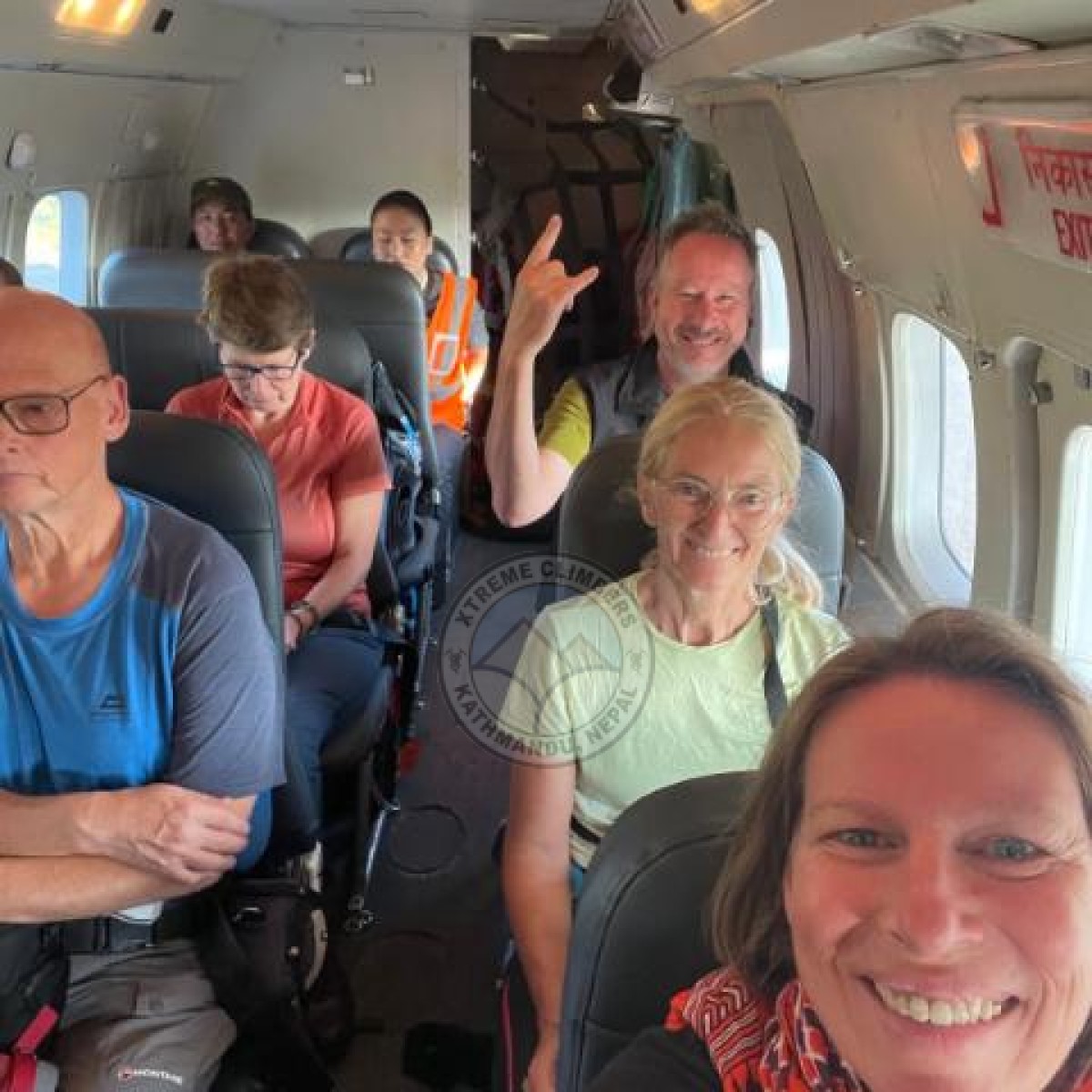
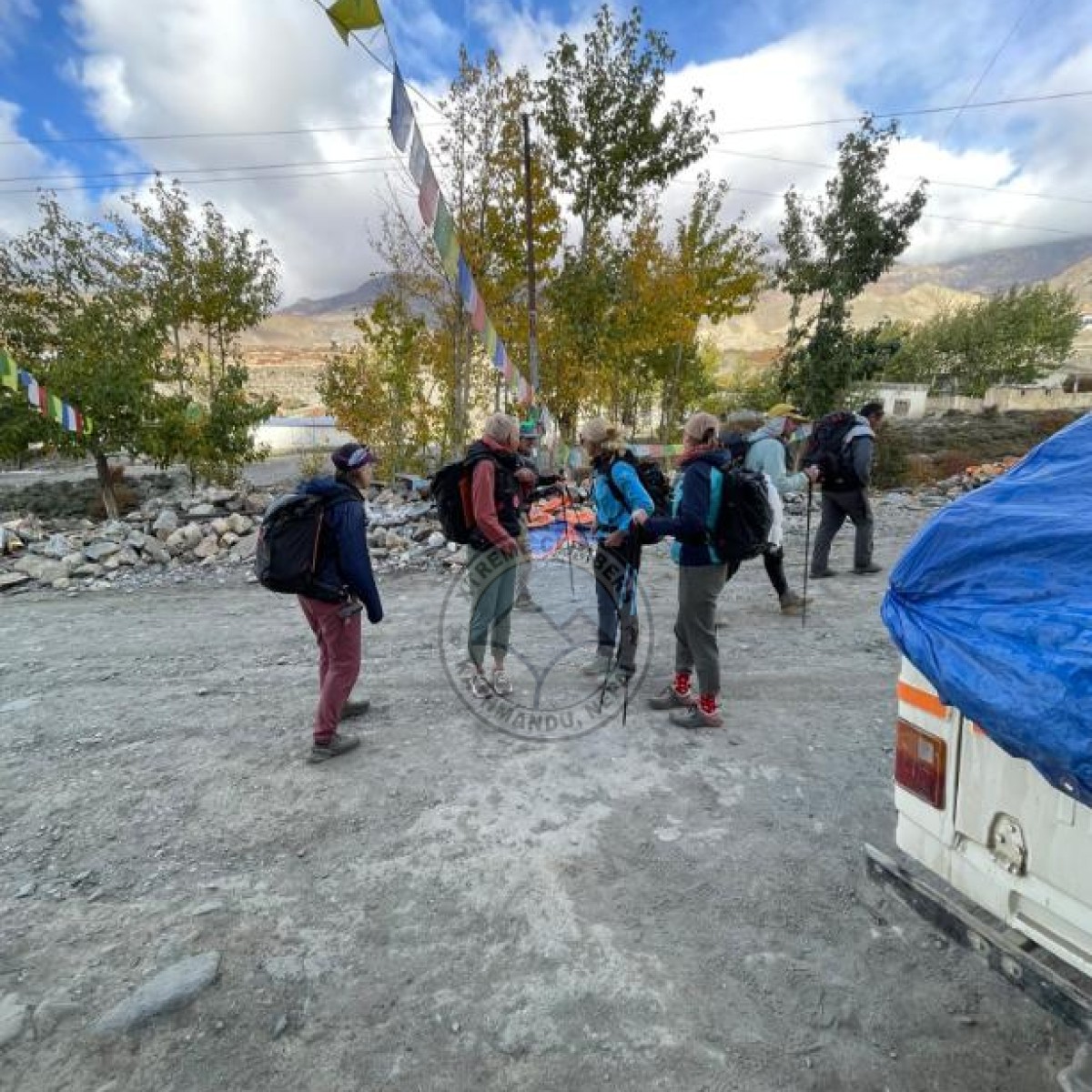
On 11 October 2026, Xtreme Climbers Treks & Expeditions Pvt. Ltd. officially begins the SWISS Upper Mustang, Teri La Pass (5,595m) and Nar–Phu Trek 2026 Autumn Expedition. This 22-day Himalayan journey brings together ancient mountain culture, remote settlements, spectacular landscapes, and the challenge of crossing one of Nepal’s less-travelled high-altitude passes. Beginning with a flight from Kathmandu to Pokhara, the expedition ventures into the remarkable landscapes of the Annapurna region, Upper Mustang, and the isolated Nar–Phu valleys.
Upper Mustang, A Land of Ancient Culture and Dramatic Landscapes
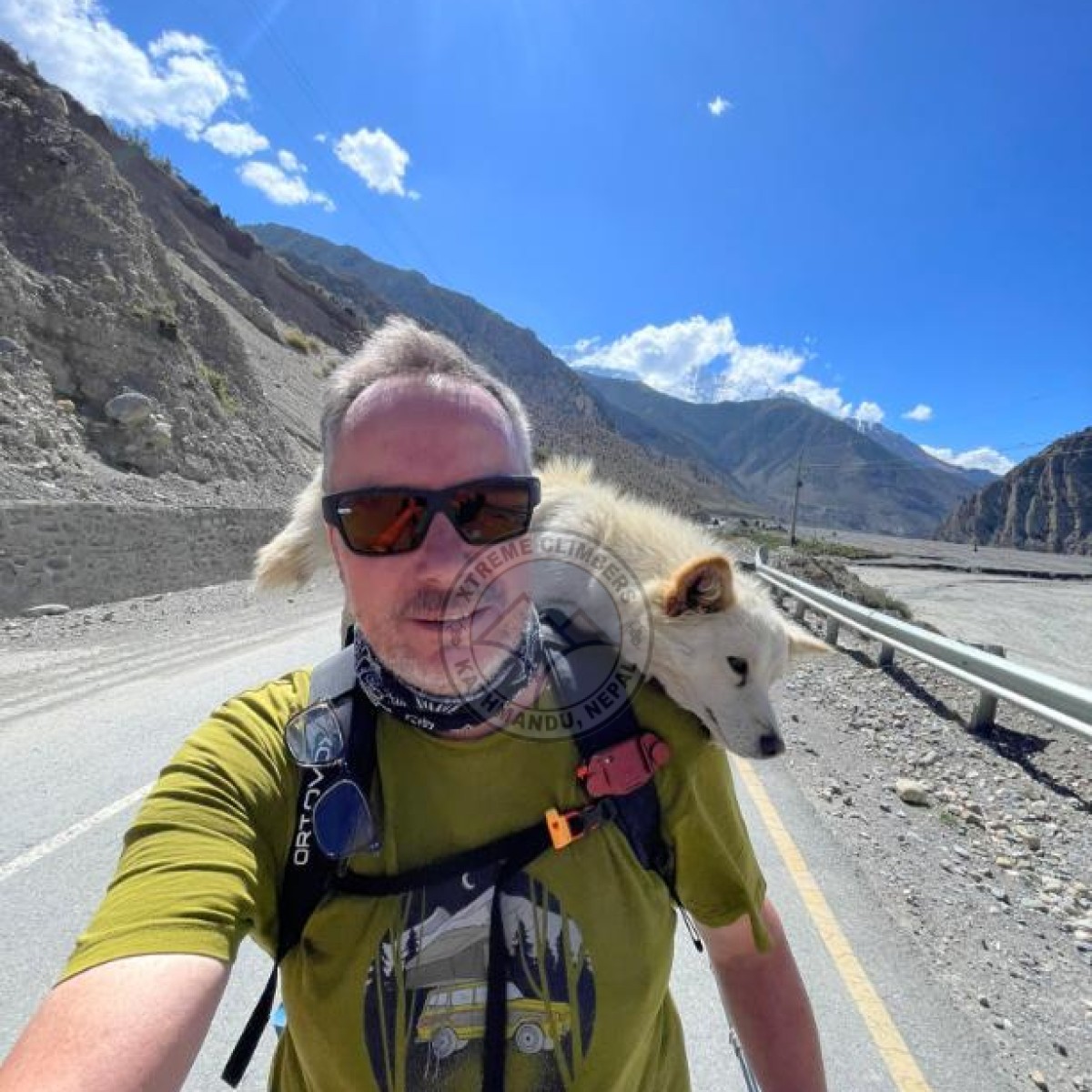
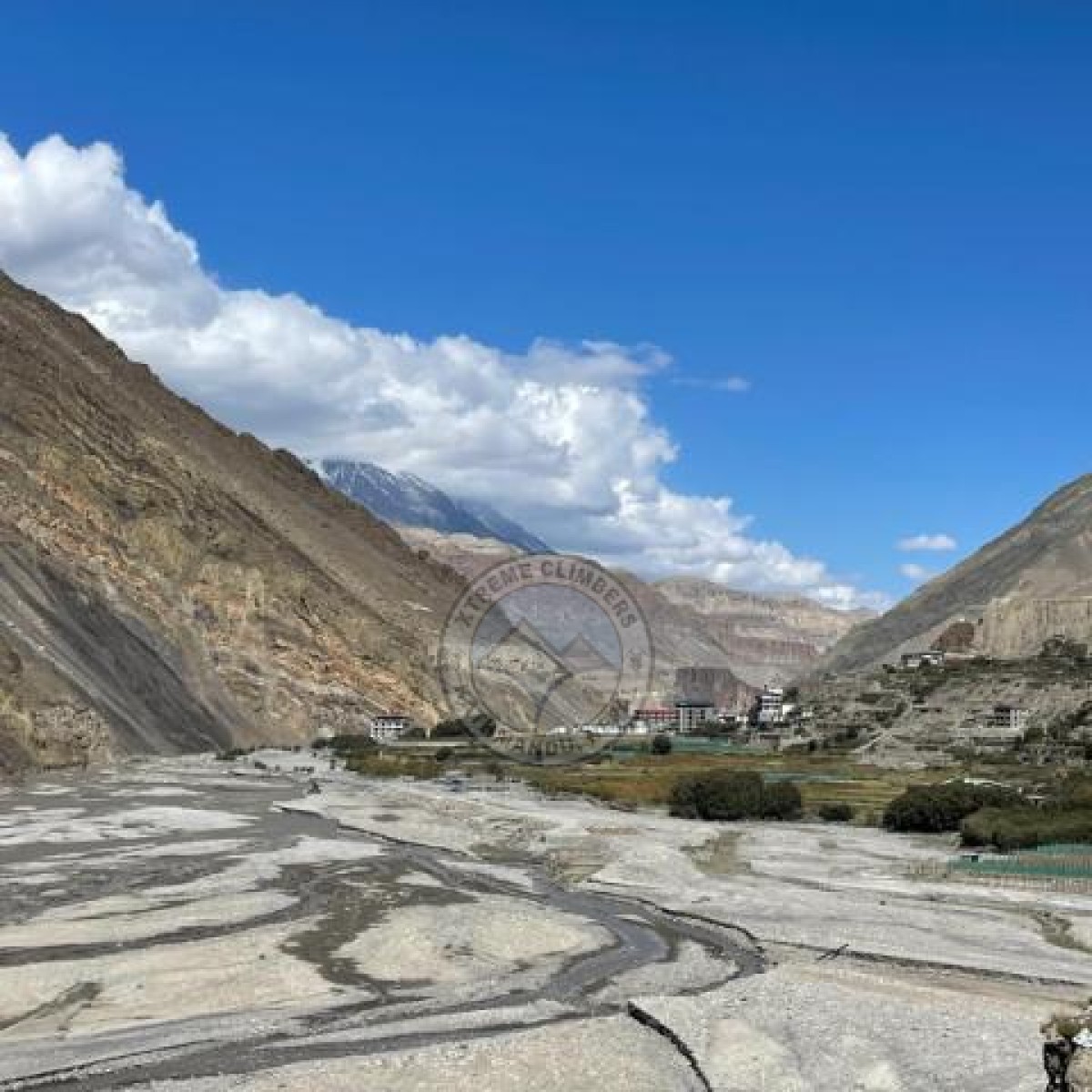
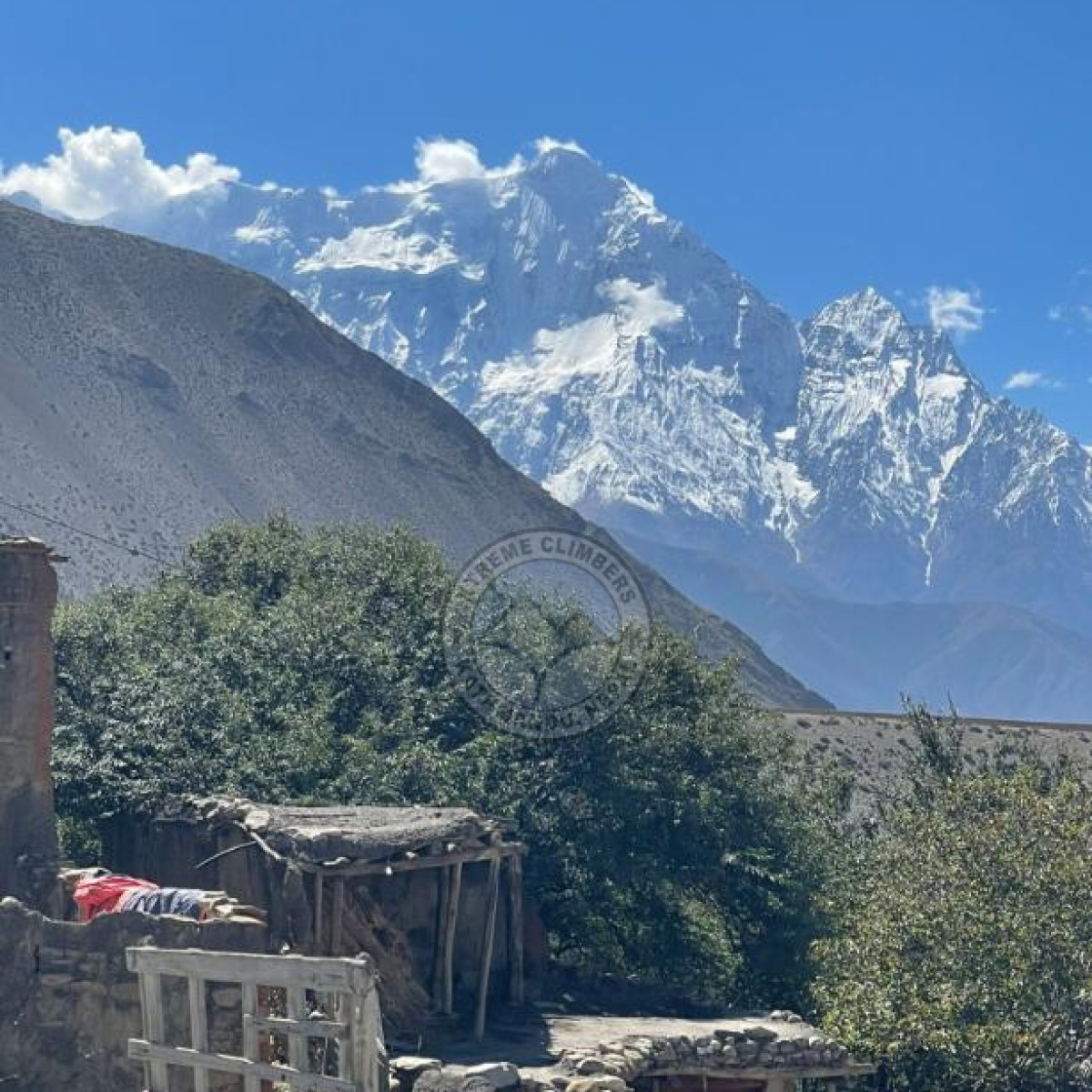
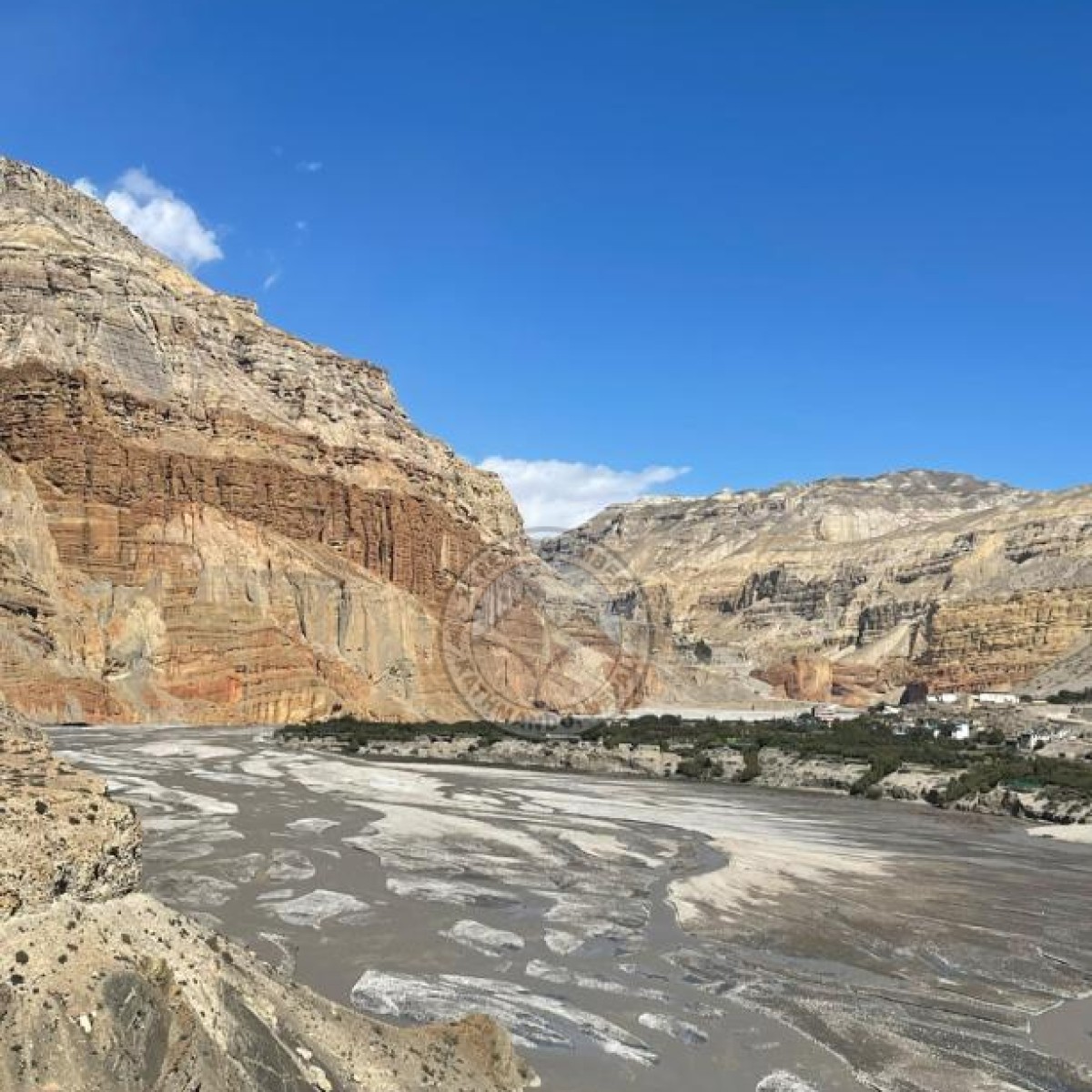
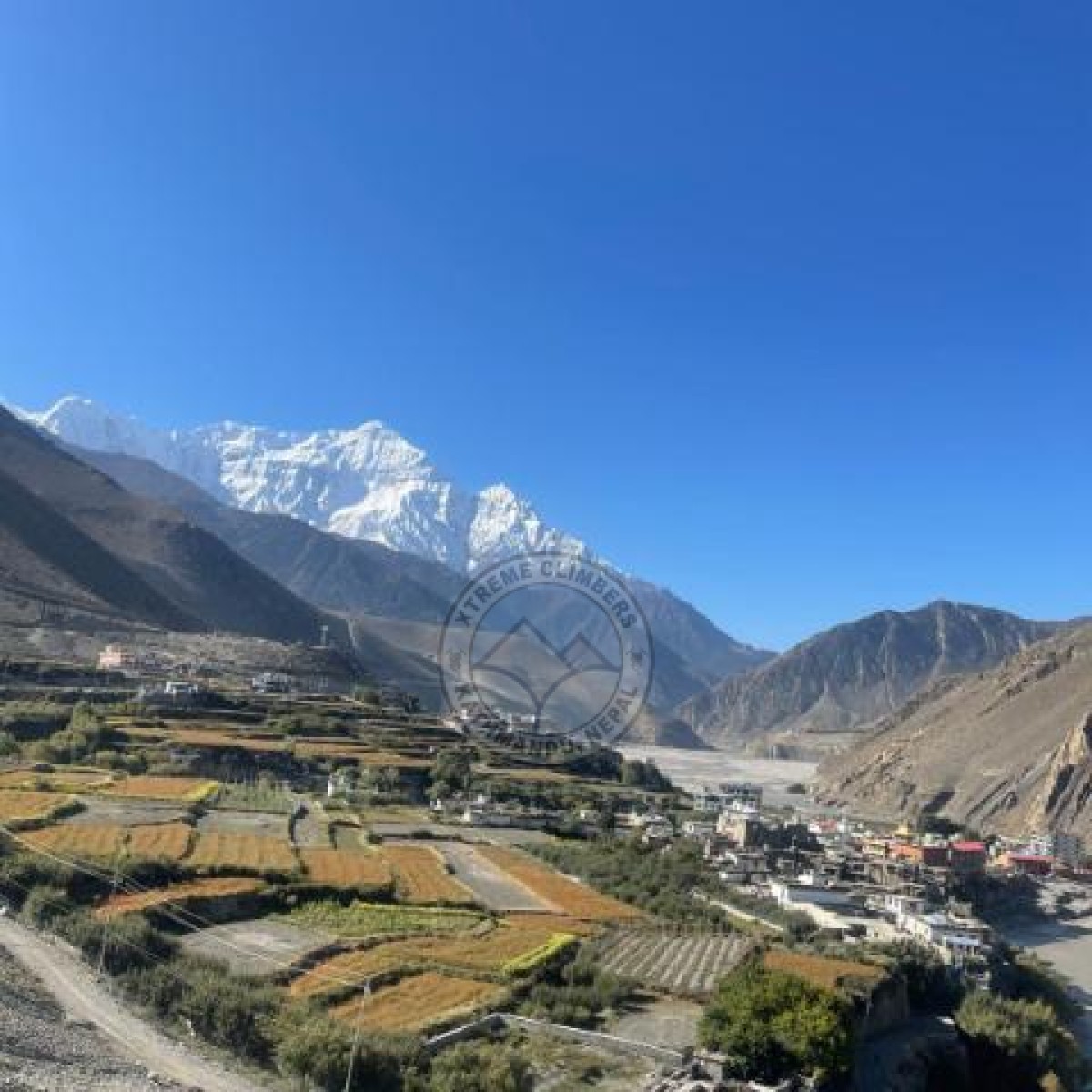
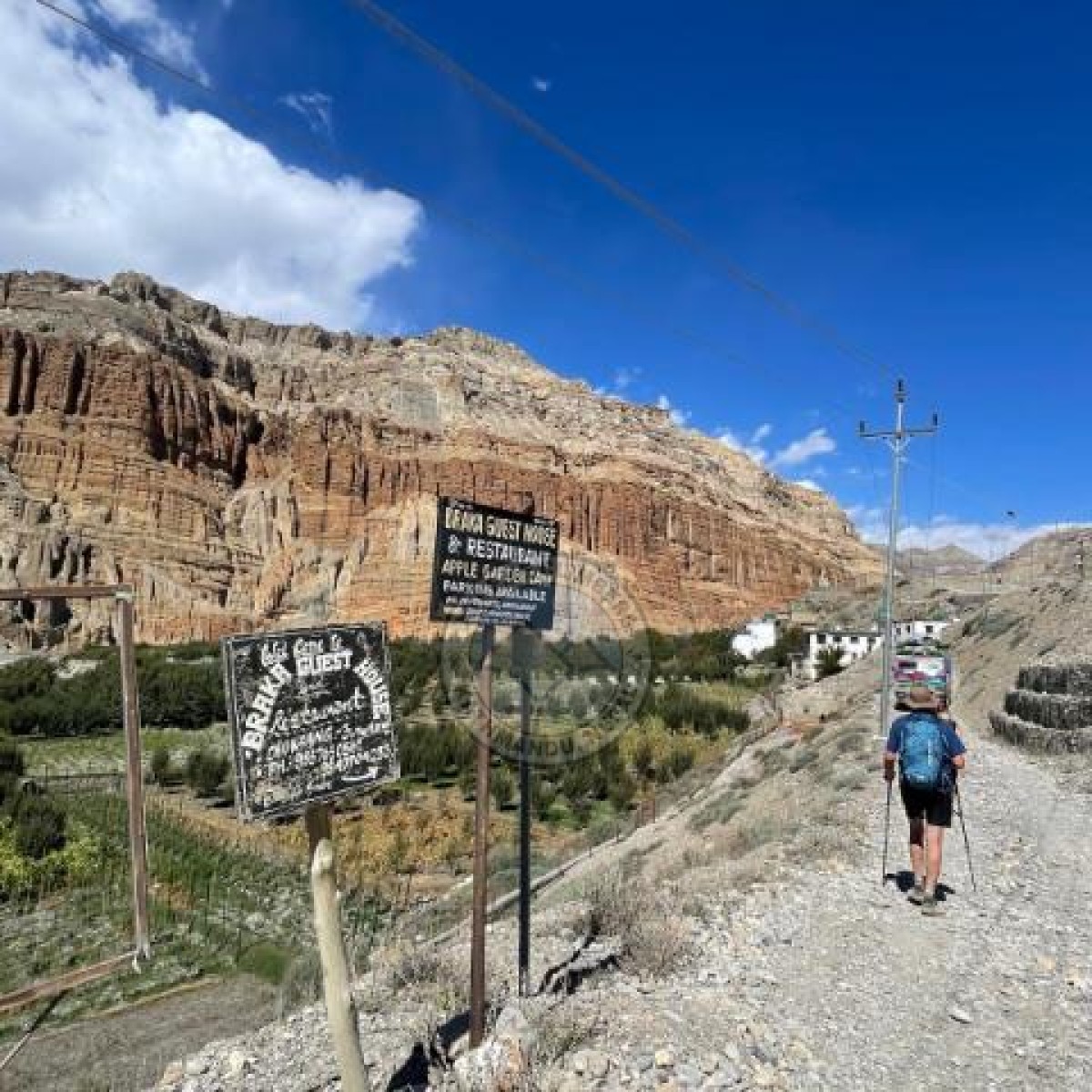
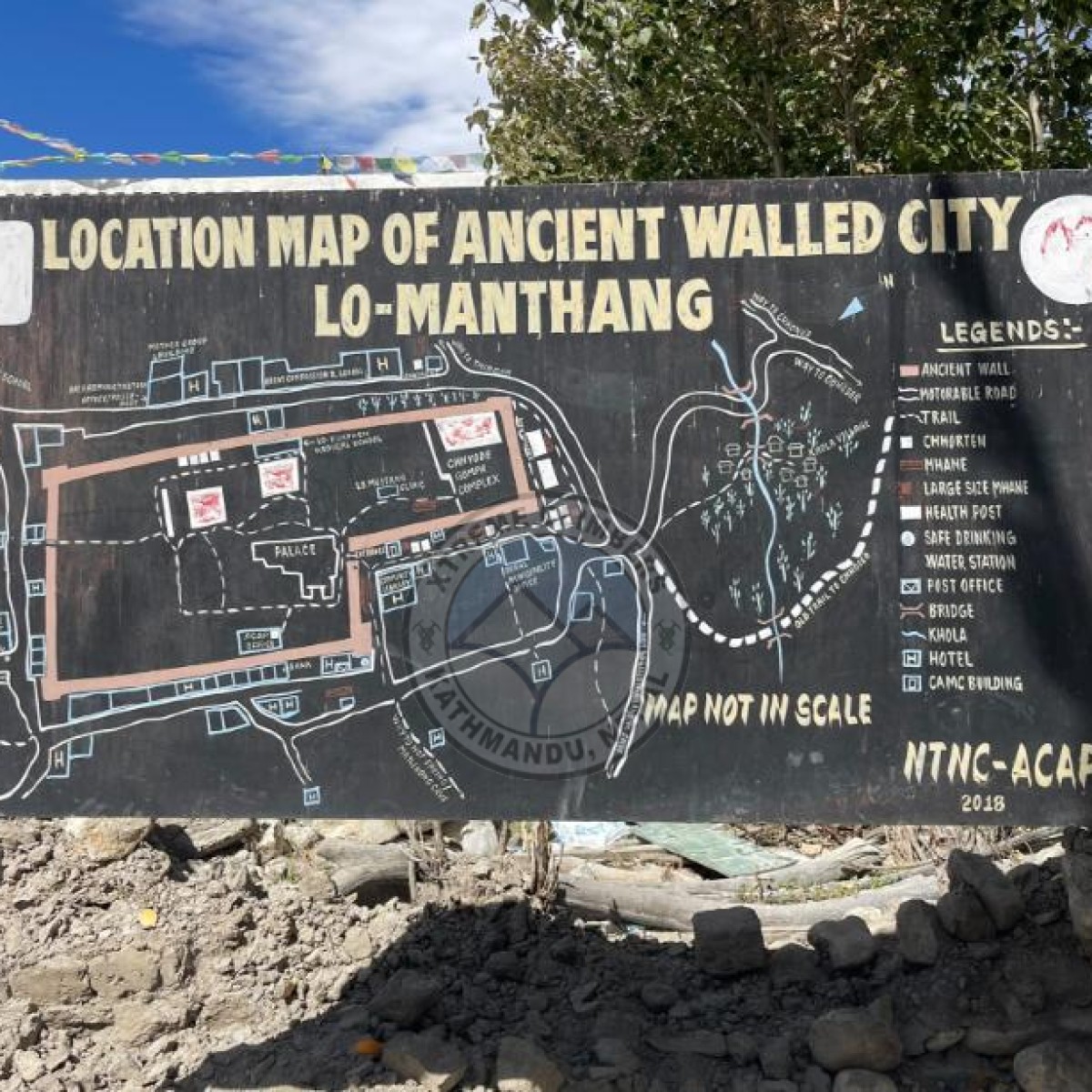
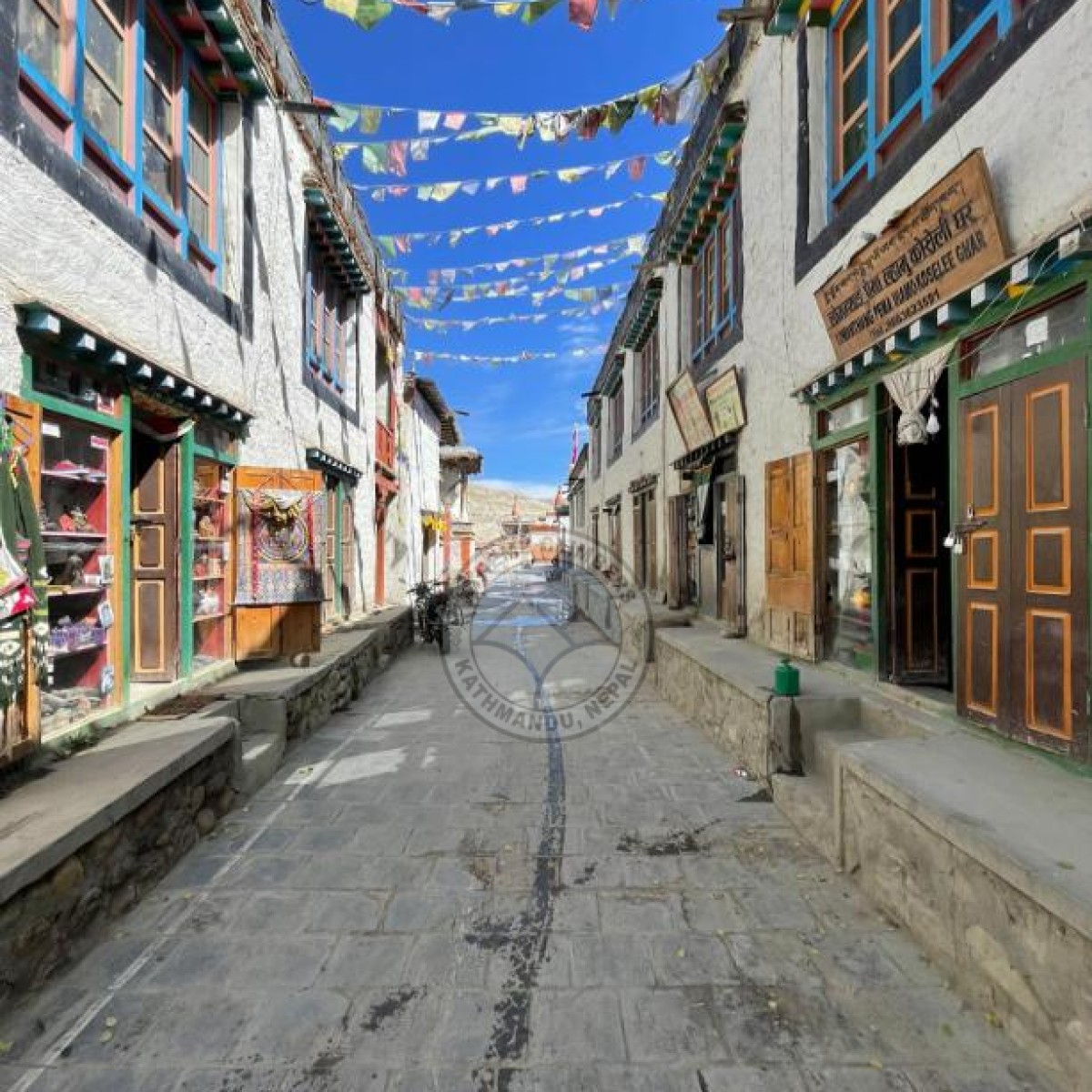
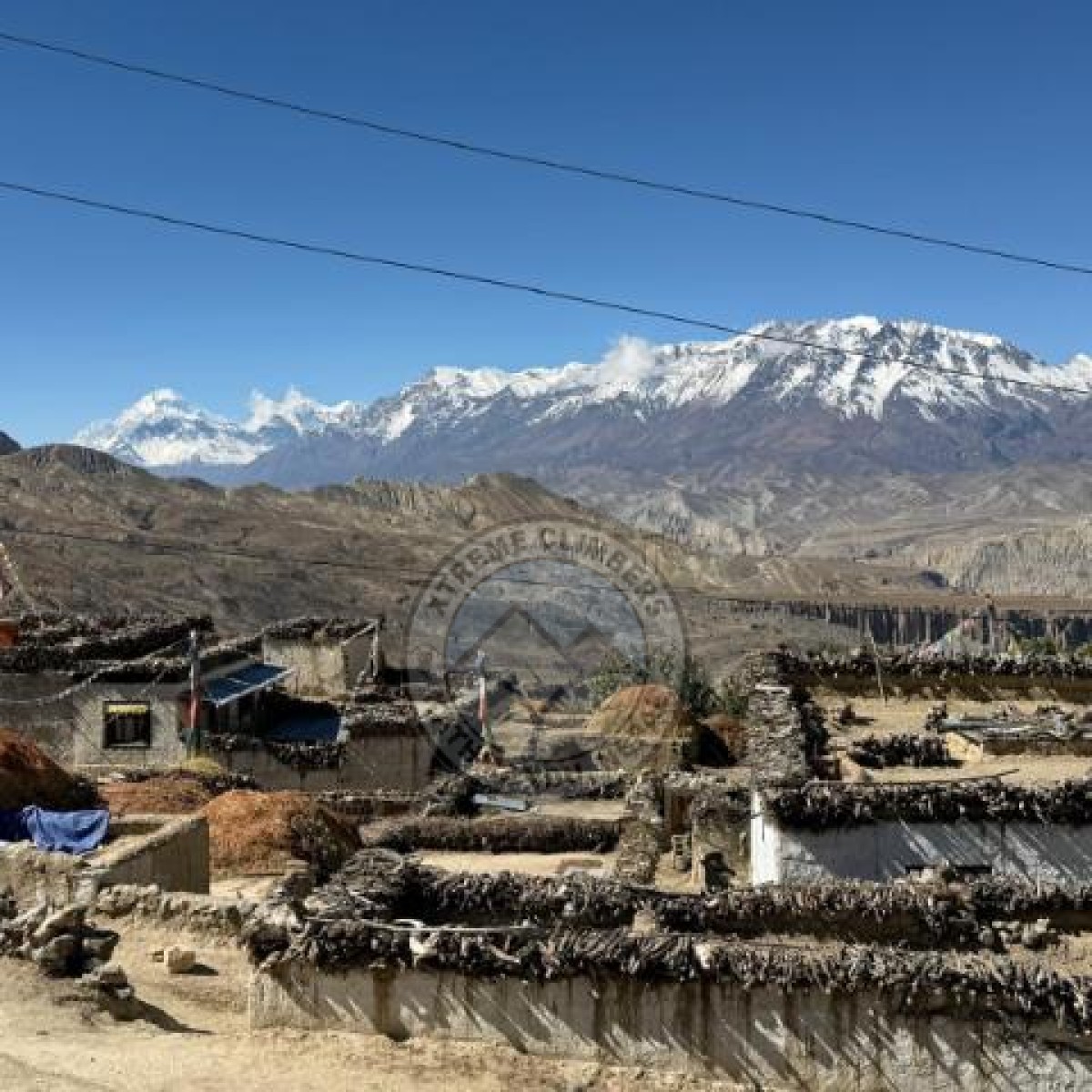
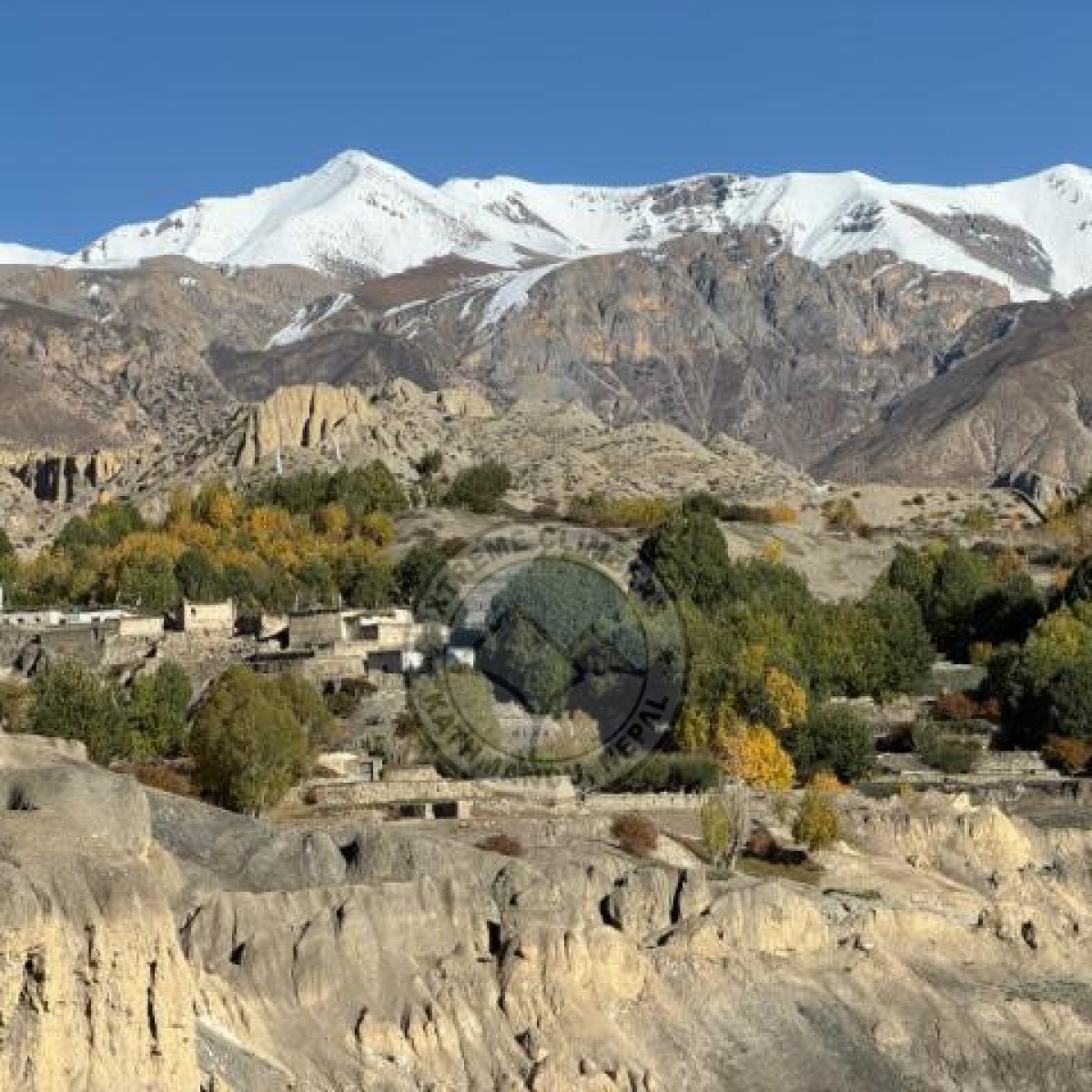
Upper Mustang is renowned for its distinctive Tibetan-influenced culture, traditional settlements, ancient monasteries, and spectacular high-altitude desert scenery. Its rugged valleys, colourful cliffs, and historic villages offer a striking contrast to Nepal’s greener Himalayan trekking regions. Exploring Upper Mustang provides an opportunity to experience a unique cultural landscape shaped by centuries of Himalayan history and trans-Himalayan trade.
Teri La Pass (5,595 m), The Challenge of a Remote Himalayan Crossing
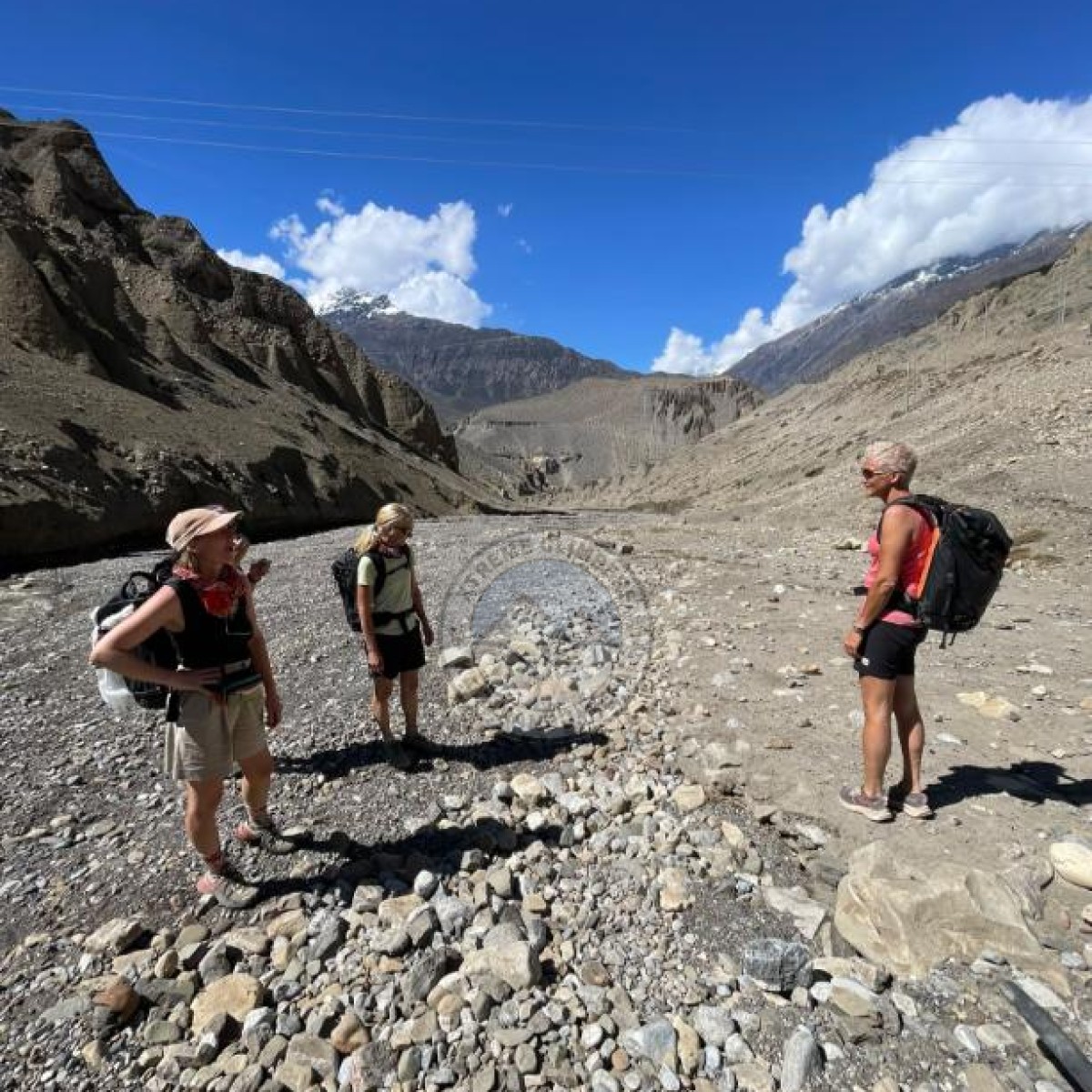
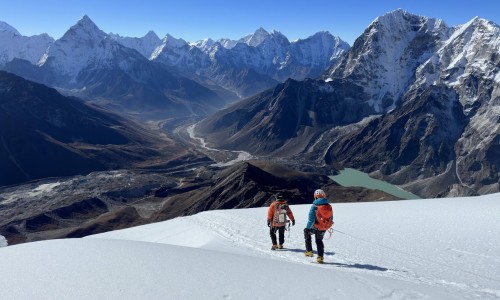
One of the principal highlights of this expedition is Teri La Pass (5,595 m), a remote and demanding mountain crossing connecting the Nar–Phu region with Upper Mustang. The route traverses rugged alpine terrain, isolated valleys, glacial landscapes and exposed high-altitude slopes, offering spectacular mountain scenery and a genuine sense of Himalayan wilderness.
The Technical Challenge–Particularly During Late Autumn and Winter
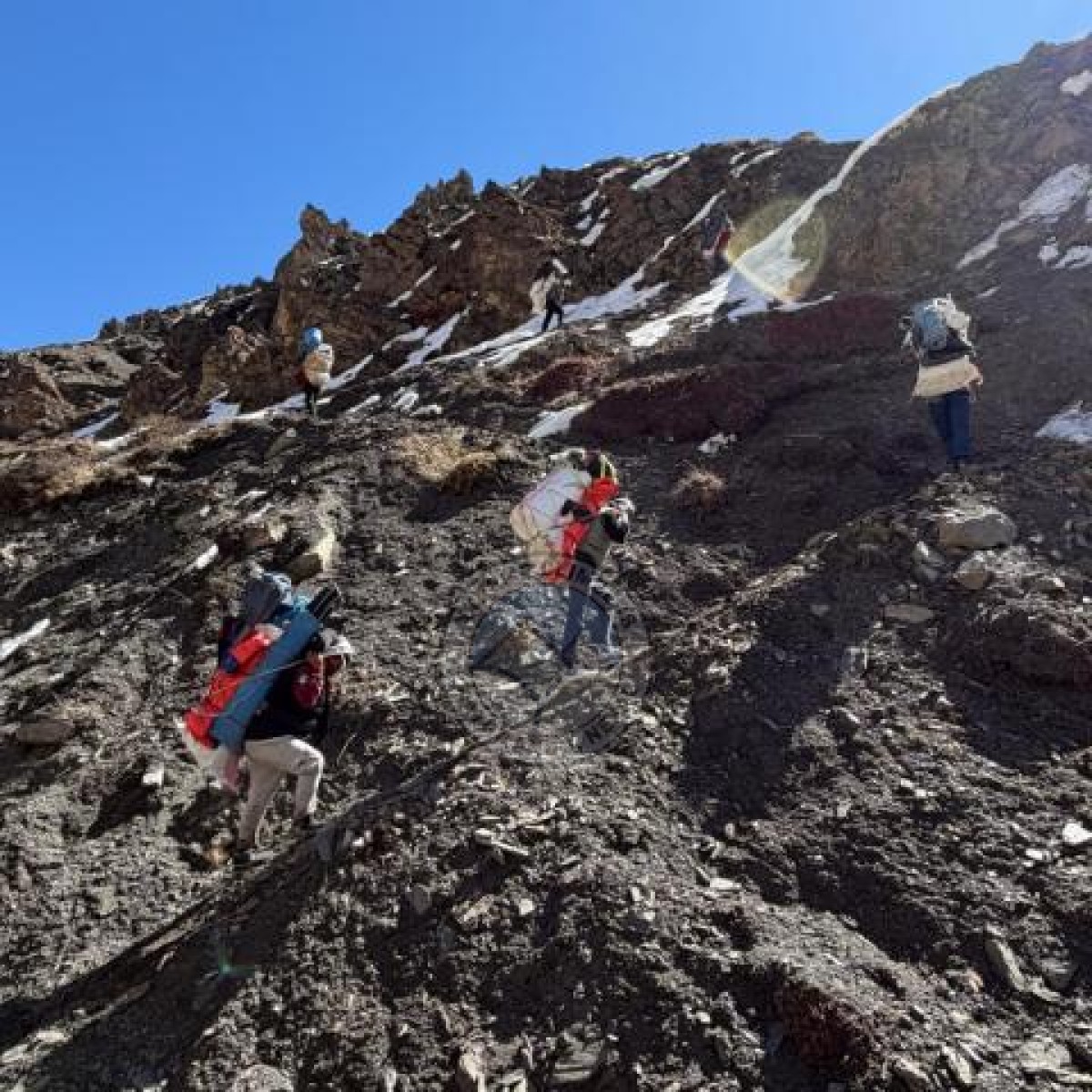
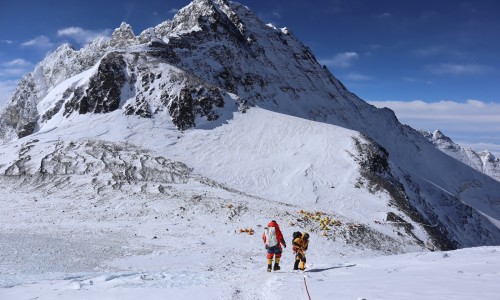
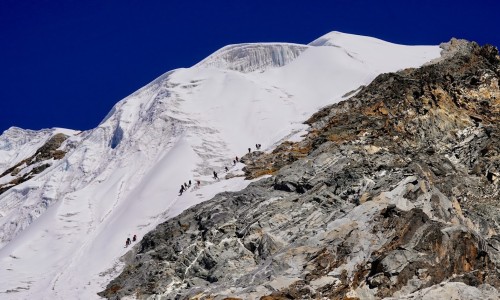
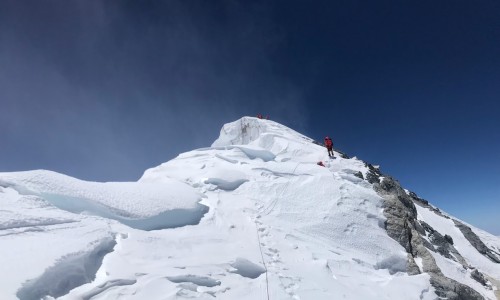
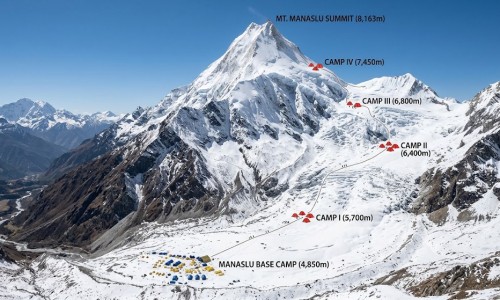
Teri La becomes significantly more demanding during late autumn and winter, when accumulated snowfall, freezing temperatures, strong winds, and rapidly changing weather conditions can make the crossing technically difficult. The approach and pass involve multiple exposed traverses across steep, rugged and snow-covered terrain. Depending on seasonal conditions, snow accumulation along certain sections can become substantial, potentially comparable in depth to the snow conditions encountered around Camp II on Mount Everest.
The crossing is not simply a matter of reaching the highest point. Trekkers must negotiate multiple traverses, steep snow slopes, loose and rocky sections, and potentially challenging terrain where route-finding becomes difficult. Snow conditions, visibility, and the stability of the route can change considerably within a short period, requiring sound mountain judgement and responsible decision-making.
In particularly unfavourable late-autumn conditions, Teri La can become technically more demanding than Sharpani Col (6,135 m), despite its lower elevation. This comparison is especially relevant when fresh snowfall, hard or unstable snow, poor visibility and deteriorating weather combine to make the traverses and exposed sections considerably more difficult. The technical seriousness of a Himalayan pass cannot be judged by altitude alone; prevailing conditions, terrain and the availability of support are equally important.
Remoteness, Communication and Safety Considerations
The remoteness of Teri La is one of its most significant challenges. For several consecutive days, teams may travel through areas without reliable mobile network coverage or regular access to communication facilities. Emergency assistance, medical evacuation and logistical support can therefore be extremely difficult to arrange at short notice.
For this reason, solo trekkers and unsupported small groups-particularly individuals or pairs attempting the crossing independently- should not underestimate the risks or approach Teri La without proper preparation and professional support. The absence of communication, combined with difficult terrain and unpredictable weather, can turn a manageable situation into a serious emergency.
The Importance of a Professional Expedition Team
A successful and responsible Teri La crossing requires thorough acclimatization, detailed route planning, experienced high-altitude leadership, appropriate camping arrangements, sufficient food and fuel supplies, emergency equipment, communication provisions, and a properly organized support team. The necessary logistical and safety support must be maintained throughout the remote camping sections, not just during the actual pass crossing. Without adequate preparation, suitable equipment, and an experienced professional team, attempting Teri La independently as a solo or duo adventure is strongly discouraged. A properly organized expedition provides the essential infrastructure, mountain experience, and decision-making support required to manage the challenges of this remote crossing.
For trekkers seeking an adventure beyond Nepal’s established trekking corridors, Teri La offers an exceptionally challenging and rewarding Himalayan experience. However, its true achievement lies not only in crossing the pass, but in completing the journey with sound preparation, responsible leadership and the closest possible attention to safety. At Xtreme Climbers, we believe that the right objective requires the right preparation, the right professional team and the right support system. In remote Himalayan terrain, experience and responsible decisions are as important as determination.
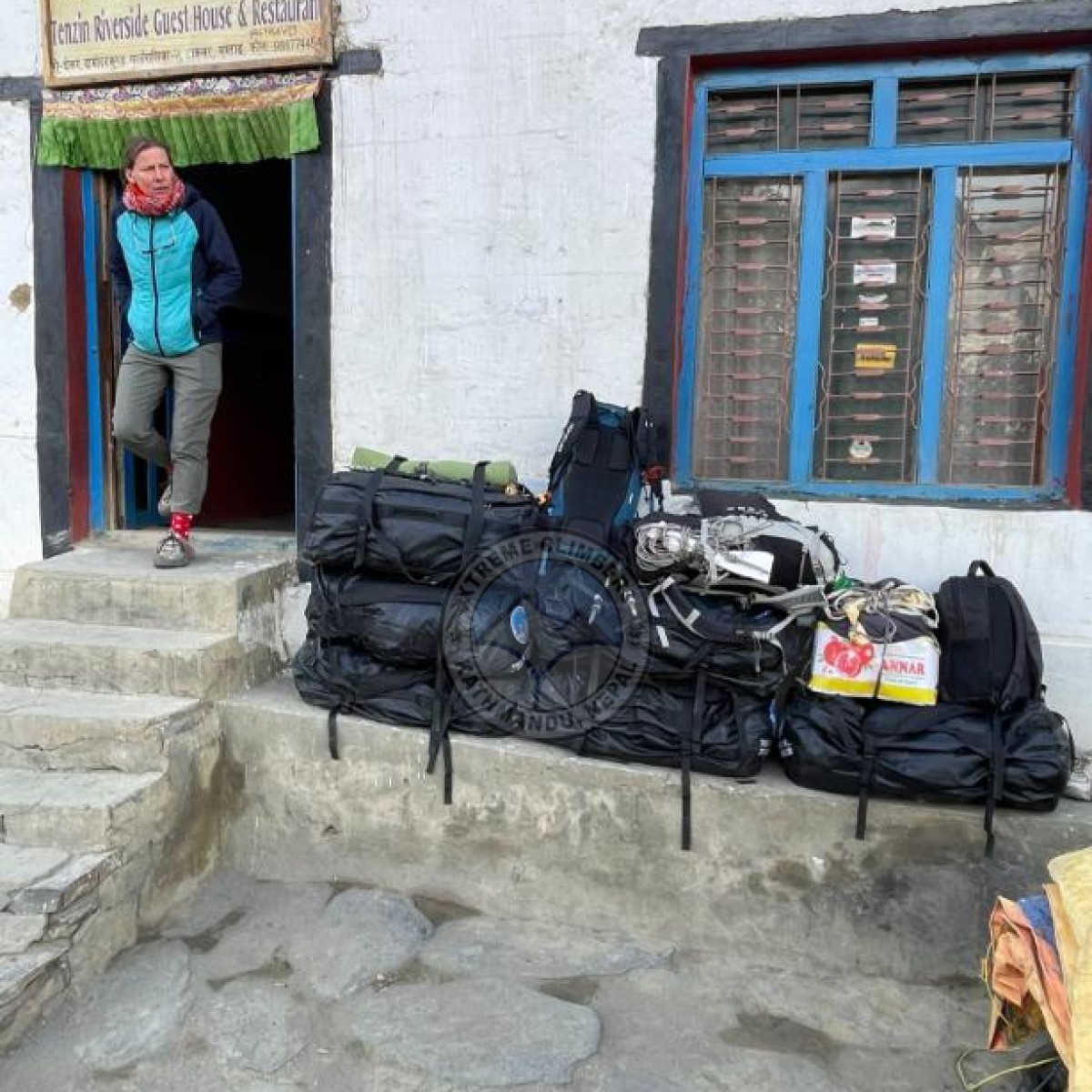
Camp Coordination and Remote Expedition Logistics: One of the most demanding aspects of the Upper Mustang–Teri La–Nar-Phu crossing is coordinating the entire camping operation across isolated mountain terrain. Unlike established teahouse trekking routes, this section requires a fully supported camping arrangement, with advance coordination of staff, camping equipment, food supplies, fuel, and essential safety provisions.
During the expedition, the five designated camping locations were coordinated as follows:
|
Camping Stage |
Location |
GPS Coordinates |
|
1st Camping |
Yak Kharka |
28.966997° N, 83.982295° E |
|
2nd Camping |
Dhakrung Khola |
28.922015° N, 83.986456° E |
|
3rd Camping |
After crossing Teri La Pass |
28.811691° N, 84.095158° E |
|
4th Camping |
Remote Nar-Phu approach |
28.792723° N, 84.142778° E |
|
5th Camping |
Nar Village |
28.685802° N, 84.201733° E |
These camping stages require careful coordination between the expedition leadership, climbing and trekking staff, kitchen crew and support personnel. All essential supplies must be planned and positioned in advance, as there are no dependable opportunities to replenish provisions along much of this remote section. The ability to establish and manage these camps safely, while adapting to changing weather, snow conditions and the physical readiness of participants, is an essential part of a professionally organized Teri La expedition.
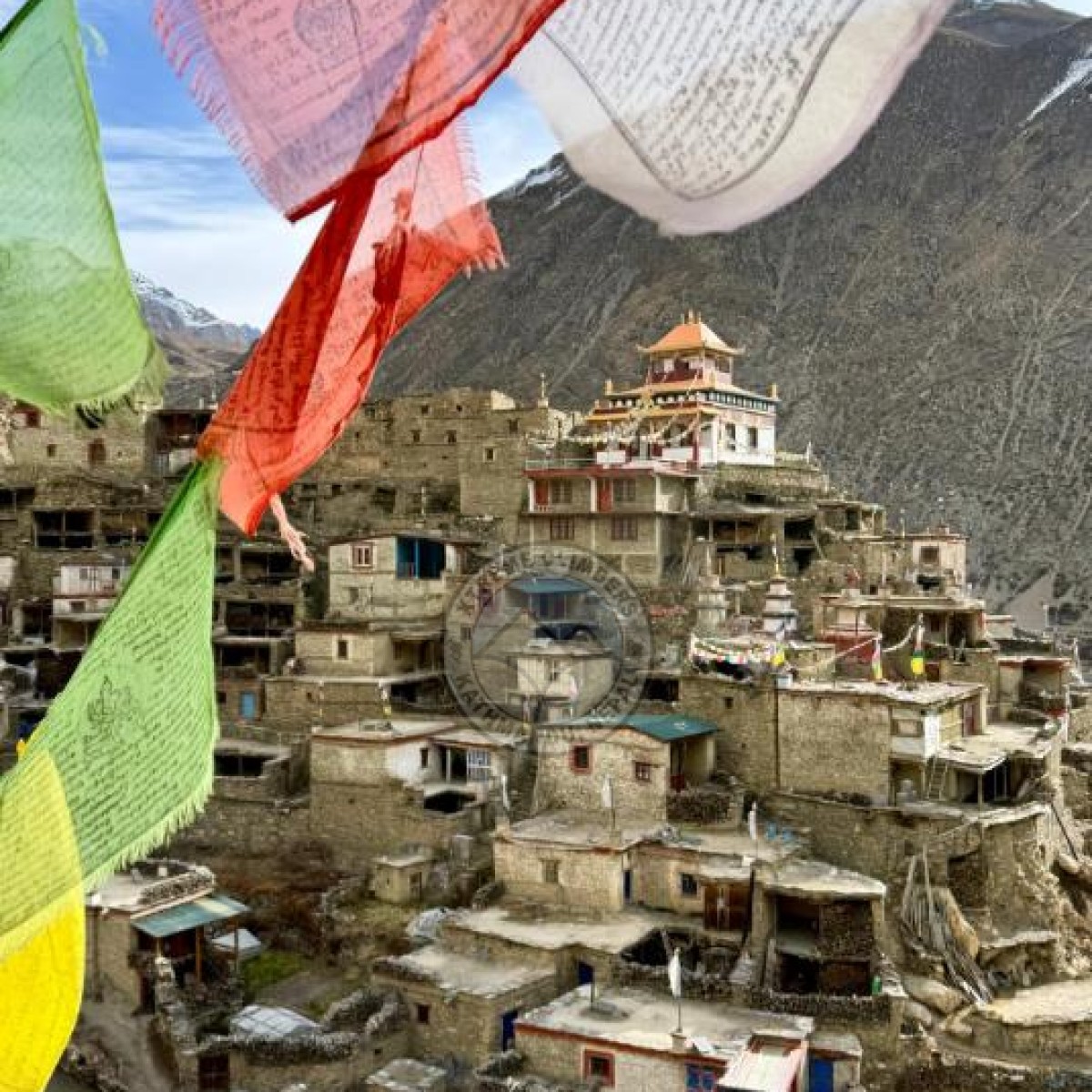
Nar–Phu Valley: Discovering the Hidden Himalayas: The remote Nar and Phu valleys are among the most distinctive trekking destinations in the Annapurna region. Surrounded by towering mountains, these valleys feature traditional villages, ancient Buddhist monasteries, and landscapes that preserve a remarkable sense of Himalayan isolation. Trekking through Nar–Phu offers an opportunity to experience local traditions and mountain life while exploring dramatic terrain far from the busier trekking trails.
A 22-Day Expedition Through the Himalayas: The autumn expedition is planned for 22 days, from 11 October to 2 November 2026, with a combination of teahouse accommodation and fully supported camping.
𝐄𝐱𝐩𝐞𝐝𝐢𝐭𝐢𝐨𝐧 𝐎𝐯𝐞𝐫𝐯𝐢𝐞𝐰
- 𝐃𝐮𝐫𝐚𝐭𝐢𝐨𝐧: 22 days
- 𝐃𝐞𝐩𝐚𝐫𝐭𝐮𝐫𝐞 𝐝𝐚𝐭𝐞: 11 October 2026
- 𝐒𝐭𝐚𝐫𝐭𝐢𝐧𝐠 𝐟𝐥𝐢𝐠𝐡𝐭: Kathmandu–Pokhara-Jomsome
- Ending Drive: Koto-Besisahar-Kathmandu
- 𝐀𝐜𝐜𝐨𝐦𝐦𝐨𝐝𝐚𝐭𝐢𝐨𝐧: 15 nights in teahouses and 5 nights of fully supported camping
- 𝐌𝐚𝐣𝐨𝐫 𝐡𝐢𝐠𝐡𝐥𝐢𝐠𝐡𝐭𝐬: Upper Mustang, Teri La Pass (5,595m), and the remote Nar–Phu valleys
- 𝐄𝐱𝐩𝐞𝐝𝐢𝐭𝐢𝐨𝐧 𝐨𝐩𝐞𝐫𝐚𝐭𝐨𝐫: Xtreme Climbers Treks & Expeditions
Our team coordinates expedition logistics, accommodation, camping support, and trekking arrangements to facilitate a well-organized journey through these remote Himalayan regions. As with all high-altitude adventures, progress and crossing Teri La will depend on weather, trail conditions, the group's health, and the expedition team's professional assessment.